
Low ground and a combined sewer
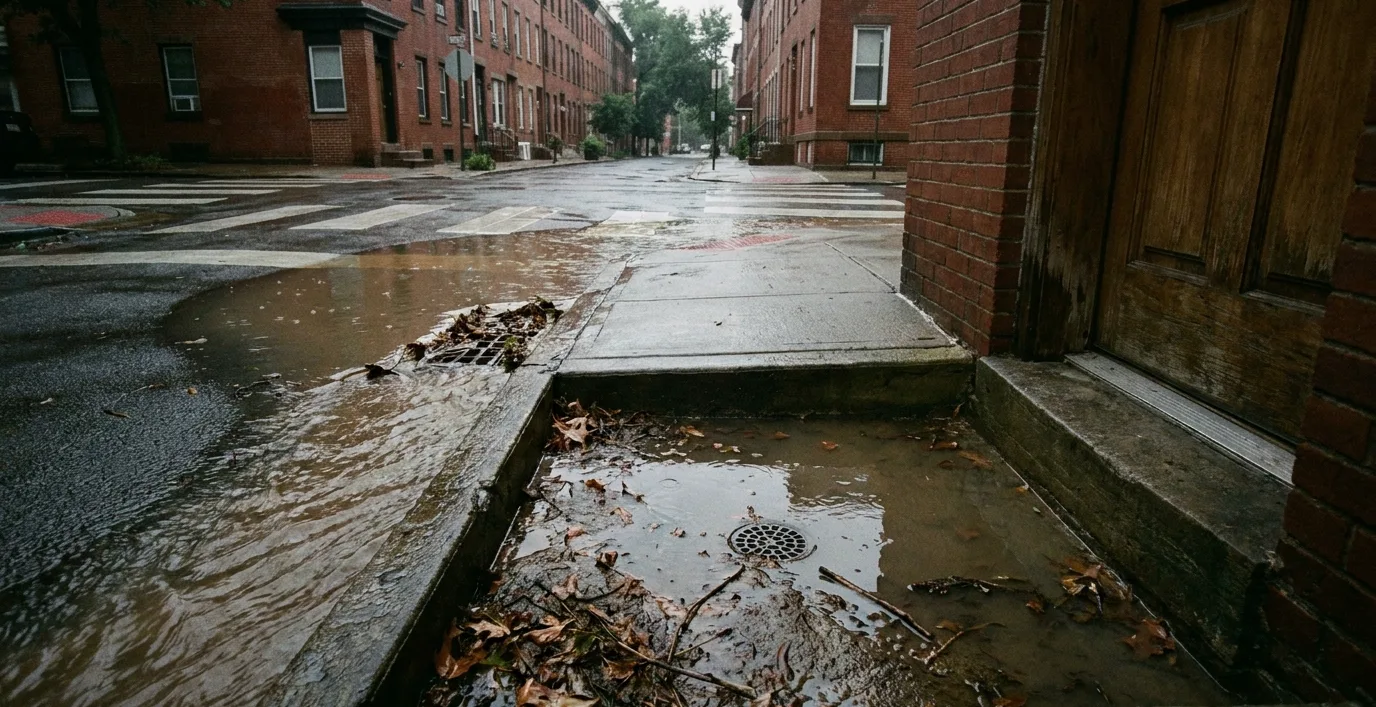
Hoboken's sewers carry both stormwater and household waste in the same pipes. In a heavy storm those pipes fill fast, and the low southwest blocks feel it first. Rats that live in the sewer system are pushed upward and outward when the water rises, and they come up wherever they can: floor drains, broken lateral pipes, and gaps around basement cleanouts.
Hoboken Rodent Control sees a clear pattern here. Calls from southwest residents pick up in the days after a big rain. If that matches what you are noticing, check floor drains and the base of the foundation first, then look at exclusion and sealing for the gaps the water opened.
What is built here
Southwest Hoboken has changed a great deal. Older industrial lots have been replaced by newer residential buildings, and some blocks still hold older homes and small walk-ups. The Southwest Resiliency Park was built partly to hold stormwater during heavy rain, which tells you how seriously the city takes flooding in this part of town.
For rodent work, that mix means two different jobs. In older homes, the concern is cracked foundations, open floor drains and basement walls. In newer buildings, it is the parking level, the trash room and the gaps where utilities enter.
Steps that matter most in flood-prone blocks
- backwater valves and drain covers checked, since a missing cover is a direct path from the sewer
- foundation cracks and old pipe openings sealed with materials rats cannot gnaw
- basement storage lifted off the floor and kept in sealed bins, so there is less for a rat to nest in
- a follow-up visit after the next significant storm
Most of that work is described on the rat control and exclusion pages.
After the water goes down
A basement that took on water is a soft target for weeks afterward. Wet cardboard, damp insulation and swollen wood trim all make easy nesting material, and the cleanup itself often leaves doors propped open and debris piled outside. Rats that were displaced by the storm are still looking for a new home during that time.
If your space flooded, clear soaked materials out promptly, keep exterior doors shut once the drying fans are running, and look for fresh droppings or greasy rub marks along the walls. Anything chewed at the bottom of a door or around a pipe is worth a call. Catching a rat that moved in during the cleanup is far easier than dealing with a litter that was born in the basement a month later.
Owners who have been through more than one storm here often schedule a check each spring and fall, timed to the wetter seasons, so any gap opened by water or settling gets found early.
Southwest Hoboken rodent questions
Why do I see rats right after it floods?
Rising water in the sewer pushes rats out. They look for dry ground, and low basements are often the closest option.
Can rats really come up through a floor drain?
Yes. A drain without a proper cover, or a cracked pipe below it, is one of the most common entry points we find in this area.
Is a newer building safe from this?
Newer buildings still have weak points, usually the garage, the trash room and utility entries. They need checking too.
Should I wait until the basement is dry before calling?
No. Rats move in during cleanup, so it helps to have the openings checked while the drying is still going on.